8 Powerful Benefits of Pilates-Why Your Body and Mind Will Thank You
The benefits of Pilates go far beyond a strong core — and if you’ve been Pilates-curious for a while or you’ve just spotted someone doing something impressive on a reformer and thought “I want that” — you’re in the right place. Pilates is one of the most effective, accessible and genuinely enjoyable forms of movement you can do for your body.
Here’s everything you need to know about why Pilates deserves a permanent spot in your life — and why so many people are taking it all the way to a retreat.
Pilates is a low-impact exercise system developed by Joseph Pilates in the early 20th century. Originally called “Contrology,” the method was built around the idea that physical and mental health are deeply connected — and that precise, controlled movement is one of the most powerful tools we have for both. Today, Pilates is practised by millions of people worldwide — from complete beginners to elite athletes — across two main formats: mat Pilates and reformer Pilates. Both are rooted in the same six core principles: concentration, control, centring, flow, precision, and breath.
The Benefits of Pilates — What Actually Changes
1. You Build a Stronger Core (Without Crunches)
This is the one everyone knows about, but it goes deeper than a flat stomach. Pilates targets the deep stabilising muscles of your abdomen, lower back, hips and glutes — the muscles that protect your spine, support your posture and power virtually every movement you make. A strong core means less back pain, better balance and a body that simply functions better day to day.
2. Your Posture Transforms
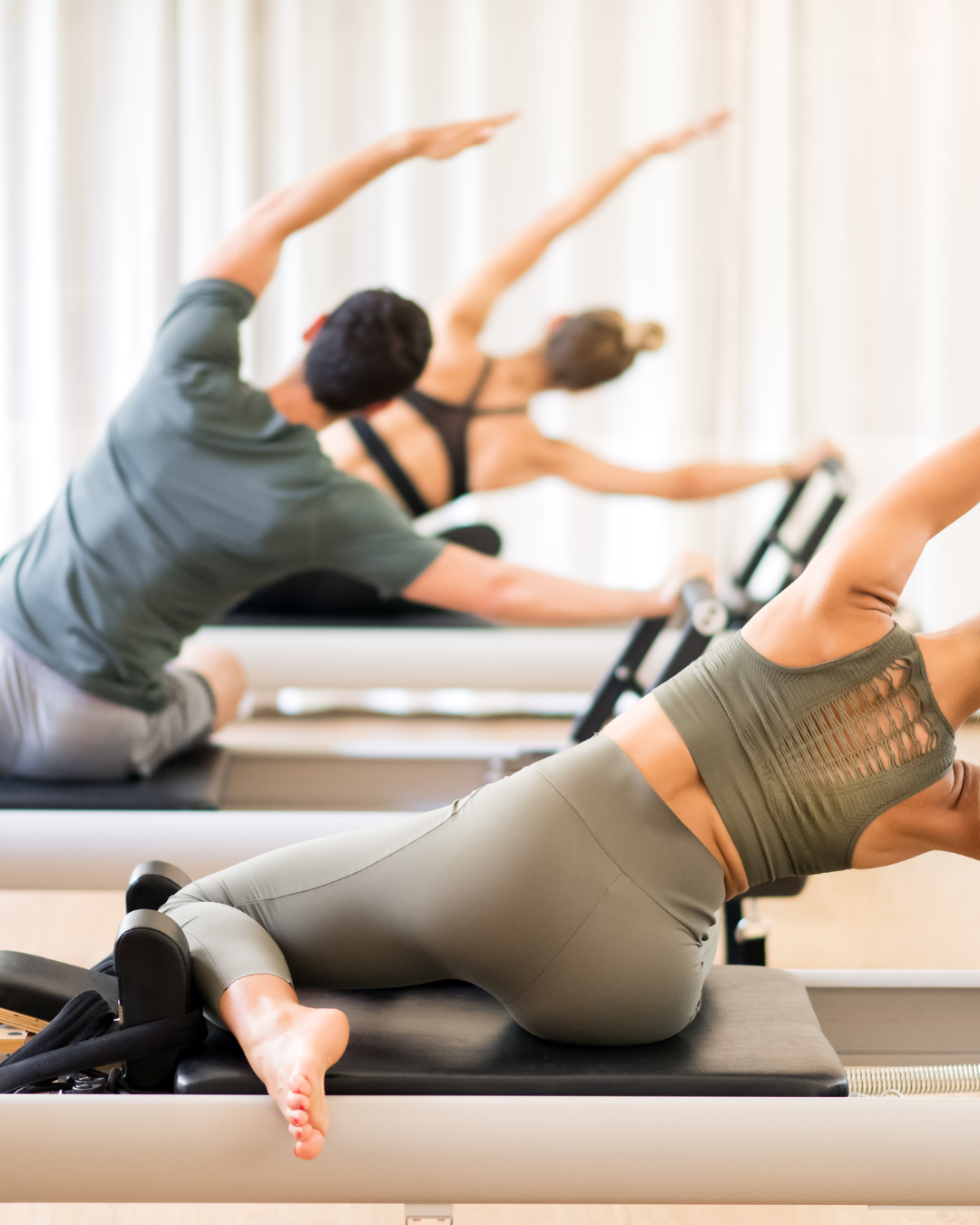
Spend most of your day at a desk? Pilates is one of the most effective antidotes to the slouch, tech neck and tight hips that come with modern life. By retraining your alignment and strengthening the muscles that hold you upright, you’ll notice yourself standing taller, sitting better and moving with more ease — often within just a few weeks.
3. Stress Melts Away
Every Pilates session asks you to slow down, focus on your breath and be completely present in your body. That’s not a side effect — it’s by design. The coordinated breathing and mindful movement activate your parasympathetic nervous system (your rest and digest mode), which actively reduces cortisol and leaves you feeling calmer after every session. Think of it as meditation you can feel in your muscles.
4. You Sleep Better
Regular Pilates practice has been linked to improved sleep quality — and it makes sense. Lower stress, a body that’s been moved well, and the deep physical relaxation that follows a session all add up to better, deeper rest. Many of our retreat guests tell us their sleep transforms within the first few days.
5. Flexibility Increases Without Force
Unlike stretching routines that push you to your edge, Pilates builds flexibility gradually and safely through full range of motion movements. Over time your muscles lengthen, your joints move more freely and that general sense of tightness and stiffness starts to lift.
6. It Supports Injury Recovery and Prevention
Pilates is widely recommended by physiotherapists and rehabilitation specialists for a reason. The low-impact nature of the exercises, combined with the focus on alignment and muscle balance, makes it ideal for people recovering from injury — and equally powerful for preventing injuries in the first place. It’s particularly effective for back pain, knee issues and hip tightness.
7. Your Mental Health Gets a Boost
Movement is medicine — and Pilates is one of the best prescriptions going. Regular practice has been shown to reduce symptoms of anxiety and depression, improve body confidence and boost overall mood. There’s something uniquely powerful about a practice that asks you to be completely present in your body. It’s hard to think about tomorrow when you’re focused on a single-leg teaser.
8. It Works for Every Body and Every Fitness Level
This is one of the things we love most about Pilates. Whether you’re a complete beginner, returning to exercise after years away, an elite athlete looking to improve performance, or someone managing a chronic condition — Pilates meets you exactly where you are. Every exercise can be modified or progressed, and no two sessions need to look the same.
Mat vs Reformer Pilates — Which Is Right for You to Experience the Benefits?
Mat Pilates is performed on a floor mat using your body weight, sometimes with props like resistance bands or stability balls. It’s accessible, requires no equipment and builds incredible foundational strength. Perfect for beginners and those who want a practice they can take anywhere.
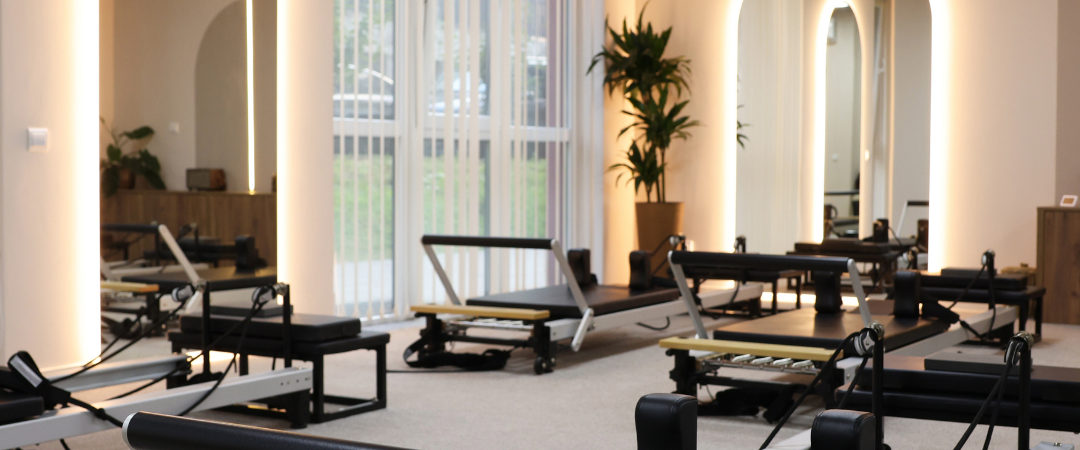
Reformer Pilates uses a sliding carriage machine with adjustable spring resistance. The reformer adds a whole new dimension to the practice — more range of motion, more resistance options, and a deeper challenge for both strength and stability. It’s particularly loved for rehabilitation and for people who want to progress quickly.
The good news? You don’t have to choose. At The Wellbeing Travel Company, our retreats incorporate both — giving you the full Pilates experience in one transformative trip.
Pilates vs. Yoga: What’s the Difference?
We get asked this a lot. Both practices share a focus on breath, mindfulness and the mind-body connection — but they have distinct differences. Pilates is primarily focused on building strength, stability and precise movement control. It’s structured and progressive, with a clear emphasis on the physical mechanics of the body.
Yoga combines physical postures with breathwork, meditation and spiritual philosophy, with a broader focus on flexibility and holistic wellness.Many people find they complement each other beautifully — which is why several of our retreats weave both into the program.The benefits of Pilates and yoga overlap in many ways but each offers something distinct.
Take Your Practice Further — Pilates Retreats with The Wellbeing Travel Company
There’s practicing Pilates. And then there’s immersing yourself in it completely — in a stunning location, with expert instructors, nourishing food and the kind of stillness that’s almost impossible to find in daily life.
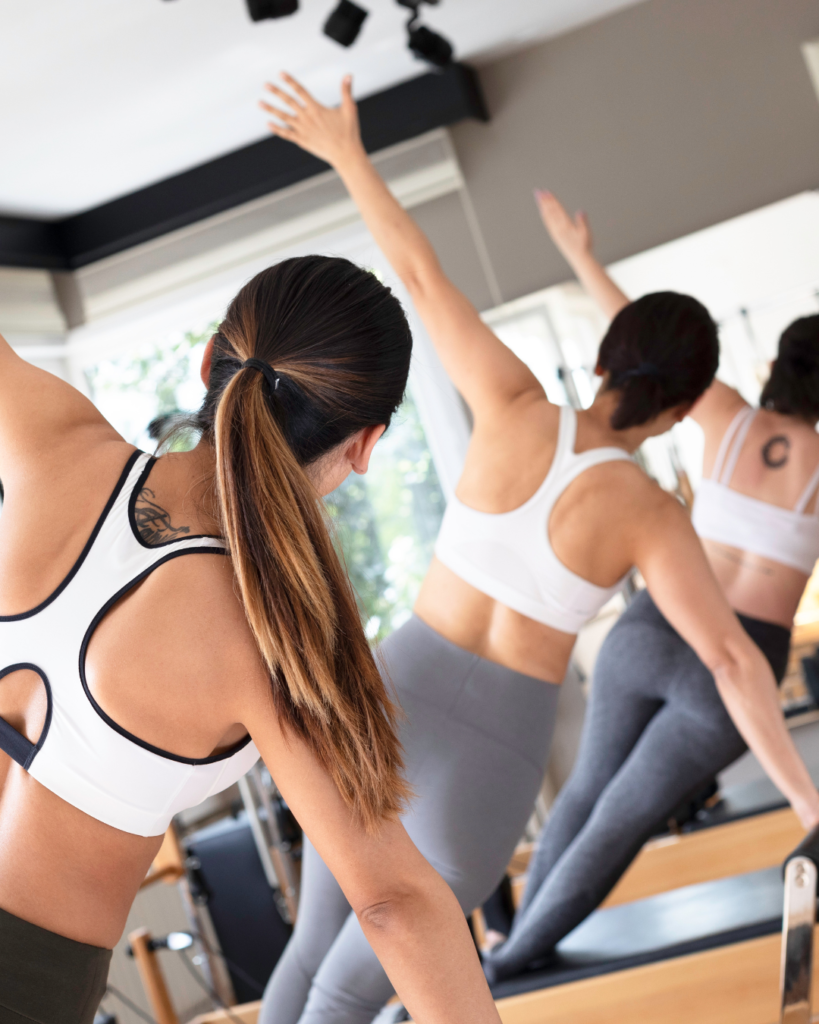
The benefits of Pilates multiply when you immerse yourself completely — our retreats are designed for anyone who wants to go deeper. Whether you’re a seasoned practitioner or stepping onto the mat for the first time, our retreats meet you where you are. Mat sessions. Reformer sessions. Beautiful destinations. Real transformation.
Ready to experience the benefits of pilates. Browse our retreats and get in touch with our team — we’d love to help you plan the trip your body has been asking for.